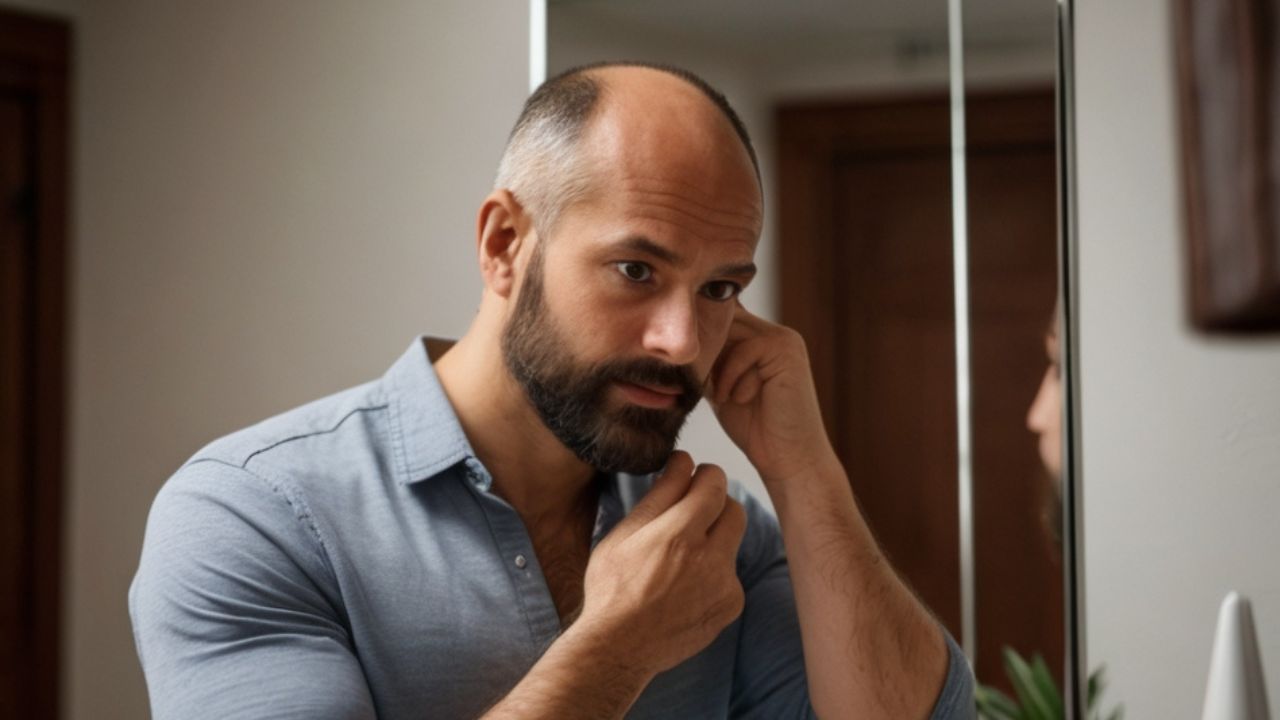
Hair loss in males can be a sensitive issue, impacting not just appearance but also confidence. The reasons behind hair loss are varied, ranging from genetic factors to lifestyle choices. In this comprehensive guide, we’ll explore effective ways to prevent hair loss in males, ensuring you maintain a healthy, full head of hair. From nutritional tips to specialized hair care products, our goal is to empower you with knowledge and practical solutions. Let’s dive into the world of hair care and preservation.
To prevent hair loss in males, focus on maintaining a healthy diet rich in vitamins and minerals, especially iron, zinc, and vitamin D. Regular scalp massages can improve blood circulation and promote hair growth. Limiting the use of harsh hair products and avoiding tight hairstyles helps reduce hair breakage.
1. Biotin for Hair Health
Biotin, often hailed as a hair health superstar, is a vital vitamin that supports hair growth and strengthens hair follicles. Its role in keratin production, a primary hair protein, makes it a crucial component in preventing male hair loss.
Regular intake of biotin through diet or supplements can lead to noticeable improvements in hair thickness and overall scalp health. It’s important to include biotin-rich foods like eggs, almonds, and whole grains in your diet. For more comprehensive nutritional advice, check out our article on Foods High in Antioxidants.
2. The Power of Multivitamins
Maintaining a balanced diet rich in multivitamins is essential for healthy hair. Multivitamins, comprising various nutrients like Vitamin A, C, D, E, and B-complex, play a significant role in hair growth and scalp nourishment.
They combat deficiencies that often lead to hair thinning and loss. Incorporating a daily multivitamin supplement, alongside a nutrient-rich diet, can significantly boost hair health. Discover more about nutrition’s role in fitness in our detailed guide on Health Benefits of Antioxidants.
3. Saw Palmetto: A Natural Remedy
Saw Palmetto, a natural herb, is gaining popularity for its effectiveness in preventing hair loss. It works by inhibiting 5-alpha-reductase, an enzyme responsible for converting testosterone into DHT, a key contributor to male pattern baldness.
Incorporating saw palmetto into your routine, either through supplements or topical applications, can be a game-changer in your hair care regimen.
4. Zinc: Essential Mineral for Hair
Zinc plays a pivotal role in hair tissue growth and repair. It also helps keep the oil glands around the follicles working optimally, reducing the risk of hair loss.
Zinc deficiency can lead to hair thinning and loss, making it crucial to ensure adequate zinc intake. Foods like oysters, beef, spinach, and pumpkin seeds are excellent zinc sources.
5. Omega-3 Fatty Acids for Hair Growth
Omega-3 fatty acids, found abundantly in fish, flaxseeds, and walnuts, are essential for healthy hair. They nourish the hair follicles and promote growth while adding elasticity to your hair, reducing the chances of breakage.
Including omega-3 rich foods in your diet or taking supplements can significantly impact your hair’s health and appearance.
6. Choosing the Right Anti-Hairfall Shampoo
Selecting an anti-hairfall shampoo tailored to your hair type can make a significant difference in managing hair loss. These shampoos are formulated to strengthen hair, reduce breakage, and promote growth. Look for products with natural ingredients like biotin, keratin, and caffeine.
Avoid harsh chemicals that can further damage hair. For a comprehensive guide on choosing the right gym accessories, including personal care items, visit our article on Choosing the Right Gym Equipment.
7. DHT Blocking Shampoos: A Must-Have
DHT (Dihydrotestosterone) blocking shampoos are designed to reduce hair loss by minimizing the effects of DHT, a major cause of male pattern baldness.
These shampoos typically contain ingredients like ketoconazole, saw palmetto, and biotin, which help in reducing hair fall and promoting regrowth. Regular use can lead to healthier, fuller hair.
8. Hair Strengthening Serums
Hair strengthening serums, enriched with nutrients and plant extracts, offer an additional layer of protection and nourishment for your hair.
These serums penetrate deep into the hair follicles, providing essential nutrients and moisture, thereby reducing hair fall and encouraging growth. For an optimal fitness routine that complements your hair care efforts, explore our insights on Why Gym is Important.
9. Hair Growth Oils: Nourishing Your Scalp
Hair growth oils, such as coconut, castor, and argan oils, are excellent for nourishing the scalp and promoting hair growth. These natural oils are rich in fatty acids, vitamins, and antioxidants, providing the necessary nutrients to the hair follicles.
Regular application of hair oils can strengthen your hair, reduce breakage, and enhance hair growth. For related wellness tips, explore the Benefits of Drinking Warm Water.
10. Anti-Dandruff Shampoo: Keeping Scalp Healthy
A healthy scalp is key to preventing hair loss, and using the right anti-dandruff shampoo is crucial. These shampoos help control scalp flakiness and itching, common causes of hair fall.
Look for shampoos with ingredients like ketoconazole, zinc pyrithione, or tea tree oil, known for their anti-dandruff properties. A healthy scalp contributes to stronger, healthier hair.
11. Chemical-Free Styling Creams
Styling creams with harsh chemicals can damage hair, leading to breakage and loss. Opt for chemical-free styling creams that provide hold and texture without compromising hair health.
These creams, often made with natural ingredients, nourish the hair while allowing for styling flexibility. Remember, less is more when it comes to hair product application.
12. Dermaroller: A Tool for Hair Regrowth
Dermarolling, a form of microneedling, has been shown to stimulate hair growth by increasing blood flow to the scalp and promoting collagen production.
Using a dermaroller on the scalp creates tiny punctures, which can help in the absorption of topical hair growth treatments, making them more effective. For more health tools and tips, check out Easy Home Gym Hacks.
13. The Right Hair Brush Matters
Using the correct hair brush is vital for hair health. Brushes with natural bristles are gentle on the scalp and help distribute natural oils throughout the hair, which is crucial for preventing breakage and ensuring healthy hair growth. Avoid brushes with metal or plastic bristles that can pull and damage hair.
14. Eggs: A Protein Boost for Your Hair
Eggs are a powerhouse of protein and biotin, two nutrients essential for hair health. Regular consumption of eggs can strengthen hair follicles and prevent hair loss.
They can also be used as a hair mask, providing direct nourishment to the scalp and hair. Dive deeper into fitness and health by reading about the Extraordinary Benefits of Squats for Men.
15. Spinach: Loaded with Hair-Friendly Nutrients
Spinach is rich in iron, folate, and vitamins A and C, which are essential for hair growth and strength. A diet lacking in these nutrients can result in hair loss.
Including spinach in your diet can combat this and promote a healthy scalp.
16. Fish: Omega-3 for Hair Health
Fish, especially fatty varieties like salmon, mackerel, and herring, are excellent sources of omega-3 fatty acids, protein, and vitamin D – all vital for hair health.
Omega-3s are known to promote hair growth and prevent hair loss. Incorporating fish into your diet can lead to healthier, stronger hair.
17. Sweet Potatoes: A Source of Beta-Carotene
Sweet potatoes are a rich source of beta-carotene, which the body converts into Vitamin A. This nutrient is vital for cell growth, including hair cells.
A deficiency in Vitamin A can lead to dry, itchy scalp and hair loss. Including sweet potatoes in your diet can promote a healthy scalp and foster hair growth.
18. Moderating Spicy Food Intake
While spicy foods are not a direct cause of hair loss, they can aggravate certain scalp conditions like dandruff and psoriasis, which can indirectly lead to hair thinning.
Moderating the intake of spicy foods and maintaining a balanced diet is beneficial for overall hair health.
19. The Impact of Smoking on Hair Health
Smoking negatively affects the blood circulation throughout the body, including the scalp. This can lead to weaker hair follicles and increased hair loss.
Quitting smoking is a significant step towards improving hair health and overall well-being.
20. Alcohol Consumption and Hair Loss
Excessive alcohol consumption can lead to dehydration, which is harmful to hair health. It can also cause nutrient deficiencies that are essential for hair growth.
Moderating alcohol intake is crucial for maintaining healthy hair.
21. Exercise: Boosting Hair Growth
Regular exercise increases blood flow to the scalp, nourishing hair follicles and promoting hair growth. Activities like yoga and jogging can also reduce stress, a known contributor to hair loss.
For insights on integrating exercise into your daily routine, read about Benefits of a Morning Walk.
22. Regular Visits to a Dermatologist
Regular check-ups with a dermatologist can help in early detection and treatment of hair loss issues.
A professional can offer tailored advice and treatment options based on your specific condition.
23. Minoxidil: A Topical Treatment
Minoxidil is an FDA-approved topical treatment for hair loss. It works by stimulating hair follicles to grow and can be particularly effective in the early stages of balding.
Regular application as per medical advice can yield positive results.
24. Finasteride: An Oral Medication
Finasteride is an oral medication that slows hair loss and promotes hair regrowth in men. It works by blocking DHT, a hormone linked to male pattern baldness.
Consultation with a healthcare provider is essential before starting this treatment.
25. Hair Transplant: A Surgical Option
Hair transplant surgery is a more permanent solution for hair loss, where hair is moved from one part of the head to another.
It’s suitable for those with significant hair loss and has shown promising results. It’s essential to discuss this option with a qualified surgeon.
Conclusion: Ways To Prevent Hair Loss In Males
Preventing hair loss in males requires a multifaceted approach, combining a healthy diet, proper hair care, lifestyle adjustments, and medical treatments when necessary. By understanding the underlying causes and adopting these strategies, you can effectively combat hair loss and maintain a healthy, full head of hair.